Archives
- 2026-11
- 2026-10
- 2026-09
- 2026-08
- 2026-07
- 2026-06
- 2026-05
- 2026-04
- 2026-03
- 2026-02
- 2026-01
- 2025-12
- 2025-11
- 2025-10
- 2025-09
- 2025-04
- 2025-03
- 2025-02
- 2025-01
- 2024-12
- 2024-11
- 2024-10
- 2024-09
- 2024-08
- 2024-07
- 2024-06
- 2024-05
- 2024-04
- 2024-03
- 2024-02
- 2024-01
- 2023-12
- 2023-11
- 2023-10
- 2023-09
- 2023-08
- 2023-07
- 2023-06
- 2023-05
- 2023-04
- 2023-03
- 2023-02
- 2023-01
- 2022-12
- 2022-11
- 2022-10
- 2022-09
- 2022-08
- 2022-07
- 2022-06
- 2022-05
- 2022-04
- 2022-03
- 2022-02
- 2022-01
Other reports however have indicated
2025-02-24
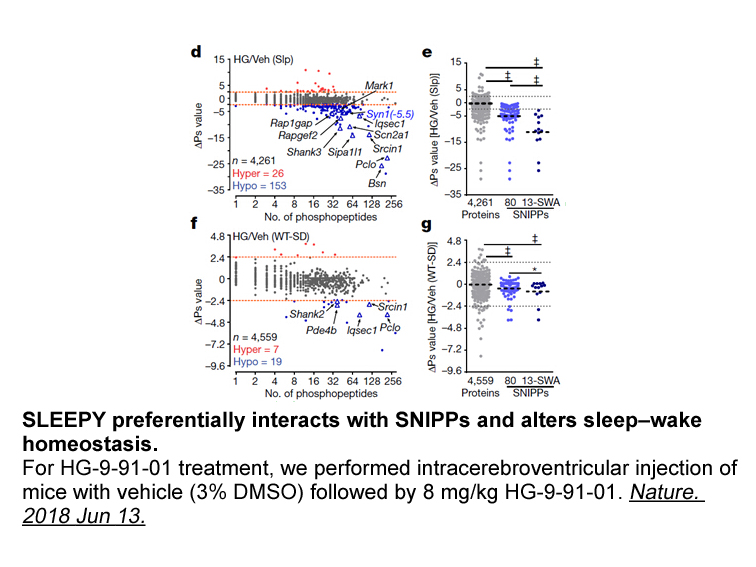
Other reports, however, have indicated that all components of RAS are produced within the central nervous system (CNS) (Saavedra, 2005). Thus, AGTR1 and AGTR2 in circumventricular organs and in cerebrovascular endothelial cells may respond to circulating ANG2 of peripheral origin, whereas neural rec
br Identification of the croaker
2025-02-24
Identification of the croaker mAR cDNA Testosterone (T) was observed to alter steroidogenesis through a nongenomic mechanism (not blocked by the transcription inhibitor, actinomycin D) in Atlantic croaker ovarian tissues (Braun and Thomas, 2003). This action of T was mimicked by T conjugated to B
Recent work has detailed the impact
2025-02-24
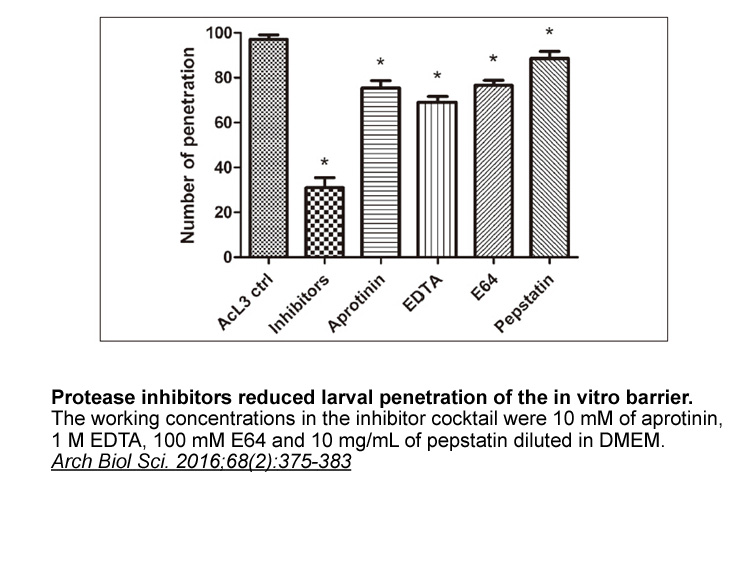
Recent work has detailed the impact of genetic mg115 of AMPK in the liver, revealing only minor phenotypes upon removal in mice (Boudaba et al., 2018). However, these studies very elegantly showed the potential for small molecule-mediated activation of AMPK to elicit large changes in lipid metaboli
br Conclusion P gingivalis expresses various exopeptidases i
2025-02-24
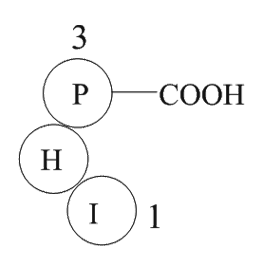
Conclusion P. gingivalis expresses various exopeptidases, i.e., DPP4, DPP5, DPP7, DPP11, PtpA, and AOP, in periplasmic space, which produce di- and tri-peptides from most oligopeptides. This oligopeptide processing step is important as an extracellular event in the L189 of asaccharolytic P. ging
Amyloid Beta-Peptide (1-40) HT receptors are distributed thr
2025-02-24
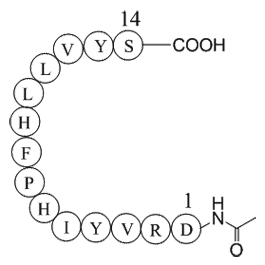
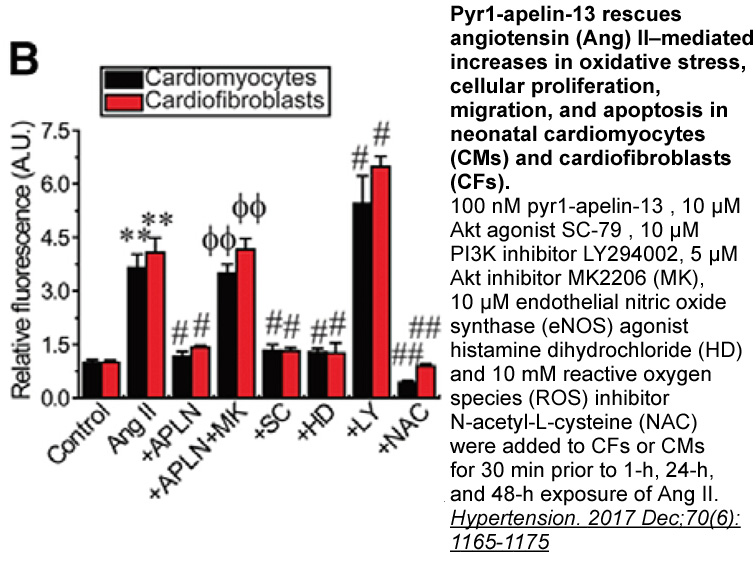
5-HT3 receptors are distributed throughout the brain, within the brainstem (e.g., nucleus tractus solitarius, area postrema and spinal trigeminal nucleus) and Amyloid Beta-Peptide (1-40) (e.g., hippocampus, amygdala, nucleus accumbens, putamen and caudate) (Abi-Dargham et al., 1993, Barnes et al.,
br Materials and methods br Results
2025-02-21
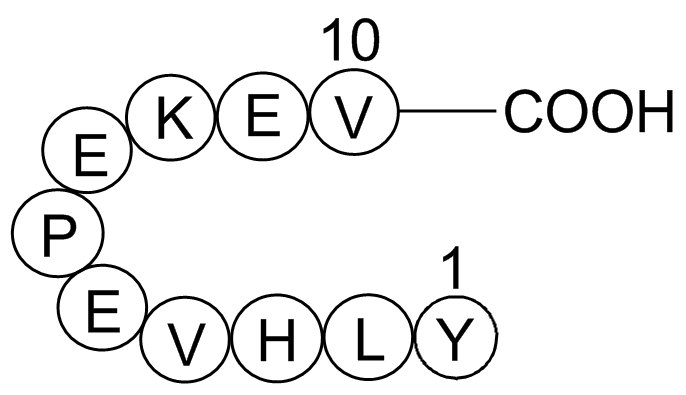
Materials and methods Results and discussions Conclusion Fermented camel milk with NS4 exhibited remarkable ACE-inhibitory activity, which revealed its potential application for the preparation of fermented camel milk beverage or fermented camel milk derived peptides in different foods or i
Overexpression of SMAD and SMAD strongly
2025-02-21
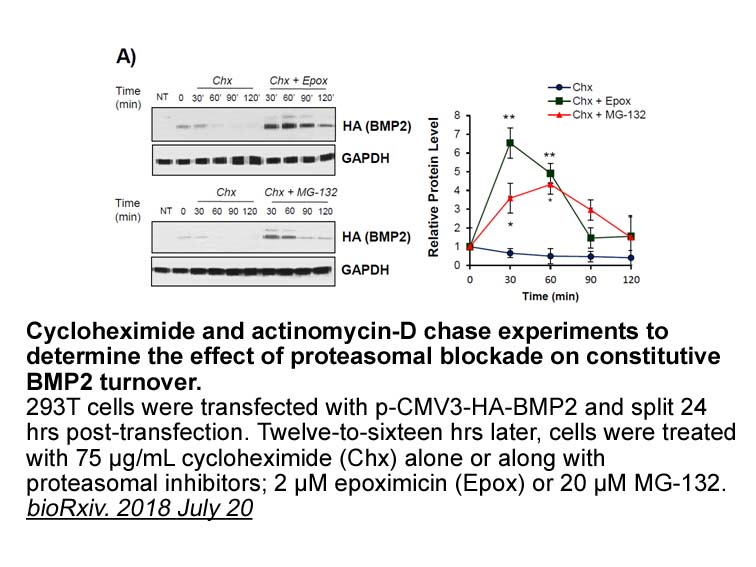
Overexpression of SMAD3 and SMAD4 strongly enhanced luciferase activity of the new pN10 reporter gene construct which was further reinforced by addition of TGFβ. Serial mutations of SBE-1 and SBE-2 led to a slight loss in 5-LO promoter inducibility. The data demonstrate that the two SBEs within the
Overexpression of SMAD and SMAD strongly
2025-02-21
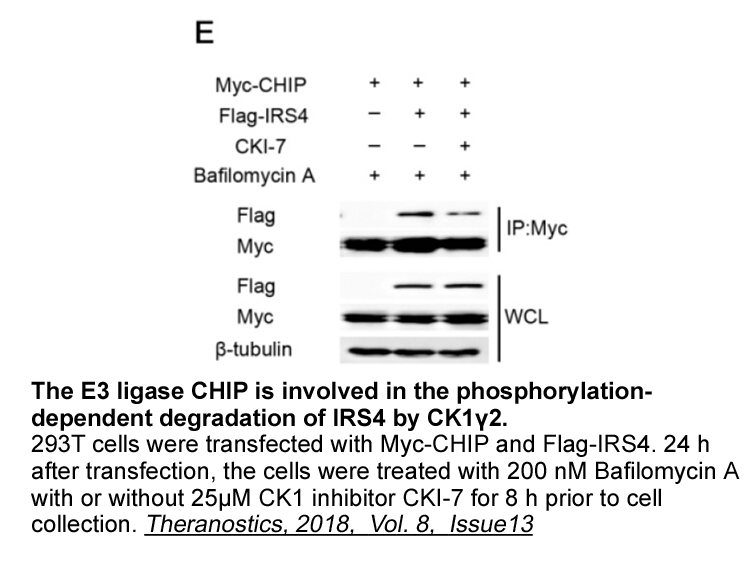
Overexpression of SMAD3 and SMAD4 strongly enhanced luciferase activity of the new pN10 reporter gene construct which was further reinforced by addition of TGFβ. Serial mutations of SBE-1 and SBE-2 led to a slight loss in 5-LO promoter inducibility. The data demonstrate that the two SBEs within the
The surprising finding of our study is that human M
2025-02-21
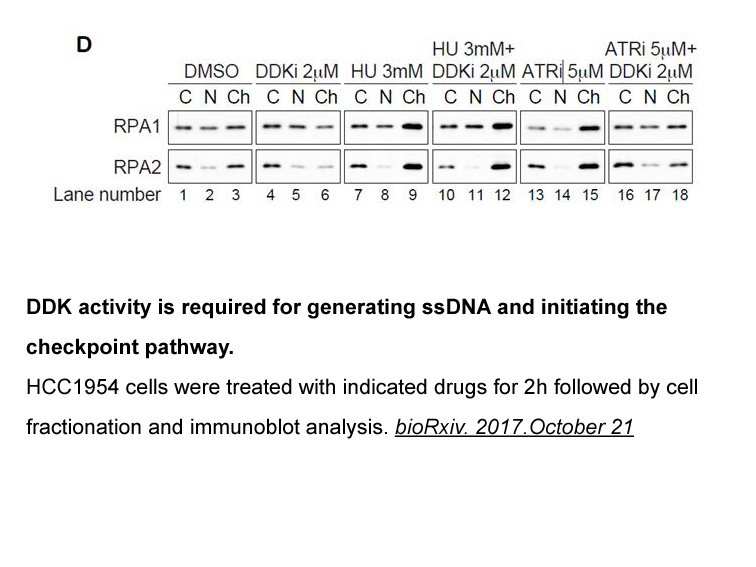
The surprising finding of our study is that human M1 macrophages stimulated by LPS express ALOX15B to high levels. So far 12/15-lipoxygenase activity was only reported for IL-4 stimulated anti-phlogistic M2 macrophages [9] but not for the classically activated M1 macrophages. Our data suggest that s
br The role of LOX
2025-02-21
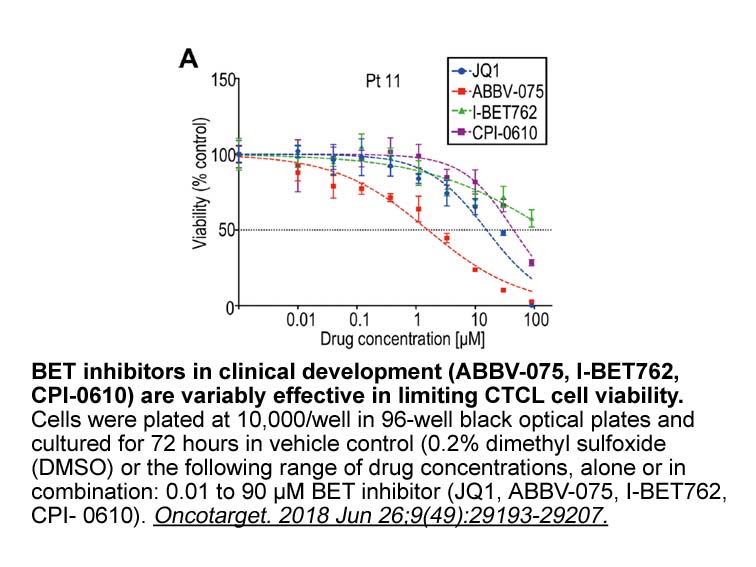
The role of 12/15-LOX plays in autophagy Autophagy is a process by which cellular material is delivered to lysosomal to degrade the damaged organelles and proteins to facilitate nutrient recycling (Towers and Thorburn, 2016). There has been characterized three types of autophagy-macroautophagy, m
The enzyme Arginase ARG plays a role
2025-02-21
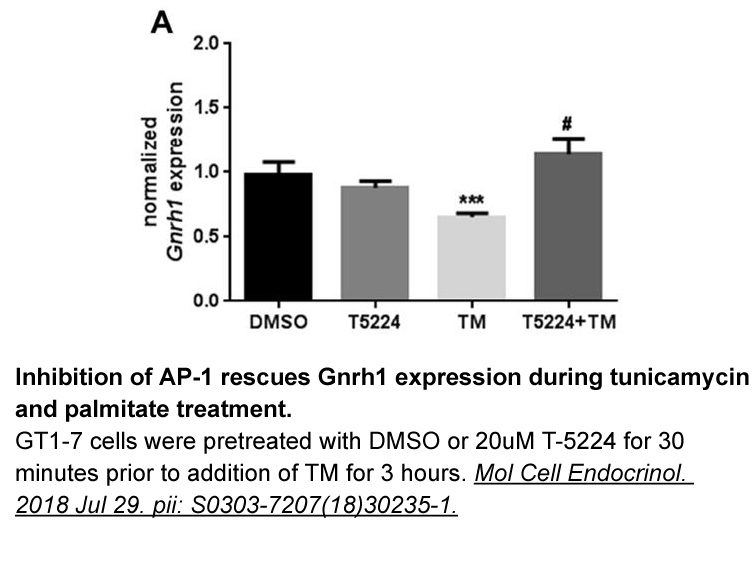
The enzyme Arginase 1 (ARG1) plays a role in the hepatic urea cycle by hydrolyzing L-arginine to L-ornithine and urea [13]. In the context of macrophages and MDSCs, ARG1 expression redirects L-arginine metabolism to abolish cytotoxic nitric oxide production [14], suppress T-cell function [15], [16],
To further investigate the role of cholesterol in
2025-02-21
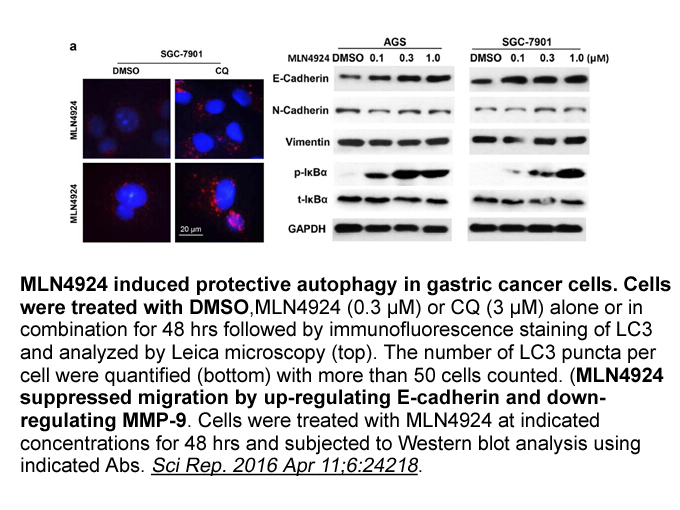
To further investigate the role of cholesterol in the Rh2-induced cytotoxicity, we then focused on the U937 cell line, which is cholesterol auxotroph and considered as a valuable model to study the importance of cholesterol in membrane structure and function (Billheimer et al., 1987), and used the e
2 deoxy d ribose The protein kinase CK mediated
2025-02-21
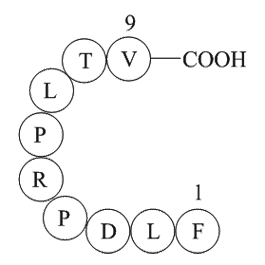
The protein kinase CK2-mediated phosphorylation of HMGN1 was implicated to be involved in age-associated amnesia in rats [31]. It was shown that the decreased level of HMGN1 phosphorylation due to the down-regulation of CK2 activity could cause amnesia in aged rats, whereas the treatment with protei
br Other Strategies for HIF Inhibition NSC
2025-02-21
Other Strategies for HIF-α Inhibition NSC-644221 is another HIF-α inhibitor acting at the translational level, independently of proteasomal degradation and VHL status, and is devoid of DNA damage-inducing properties [70]. NSC-644221 arrests Cellular response inhibitor ATM in G2–M through a cell t
False positivity of Anti AChR Ab titers due
2025-02-20
False positivity of Anti-AChR Ab titers, due to cross reactivity with bungarotoxin, has previously been demonstrated. One such study reported that patients with amyotrophic lateral sclerosis, who had received long term snake venom therapy, had developed antibodies to bungarotoxin and hence demonstra
8540 records 49/570 page Previous Next First page 上5页 4647484950 下5页 Last page