Archives
- 2026-08
- 2026-07
- 2026-06
- 2026-05
- 2026-04
- 2026-03
- 2026-02
- 2026-01
- 2025-12
- 2025-11
- 2025-10
- 2025-09
- 2025-04
- 2025-03
- 2025-02
- 2025-01
- 2024-12
- 2024-11
- 2024-10
- 2024-09
- 2024-08
- 2024-07
- 2024-06
- 2024-05
- 2024-04
- 2024-03
- 2024-02
- 2024-01
- 2023-12
- 2023-11
- 2023-10
- 2023-09
- 2023-08
- 2023-07
- 2023-06
- 2023-05
- 2023-04
- 2023-03
- 2023-02
- 2023-01
- 2022-12
- 2022-11
- 2022-10
- 2022-09
- 2022-08
- 2022-07
- 2022-06
- 2022-05
- 2022-04
- 2022-03
- 2022-02
- 2022-01
-
Despite the growing knowledge surrounding the link between A
2024-02-18
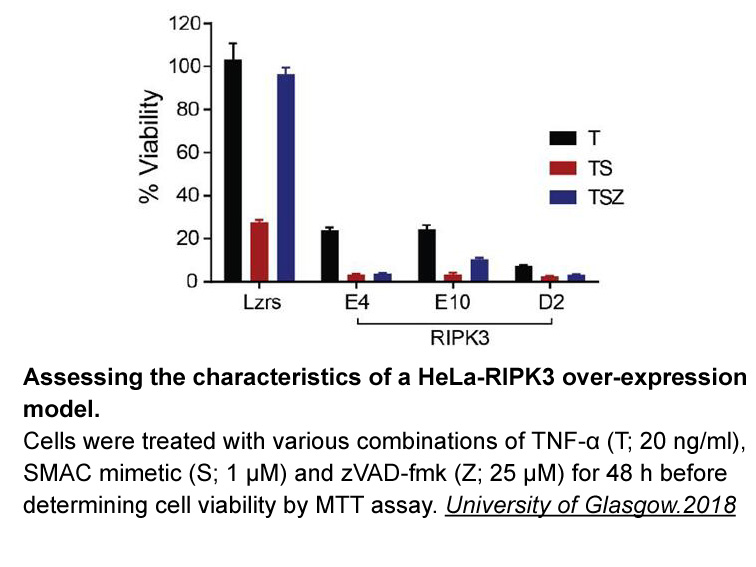
Despite the growing knowledge surrounding the link between ATX and cholestatic pruritus in PBC, it remains unclear if the role of the ATX-LPA signaling axis includes lymphocytes homing in the liver of PBC, and if the resulting inflammation is associated with PBC pruritus (Fig. 3). PBC is characteriz
-
In the case of DIA
2024-02-18
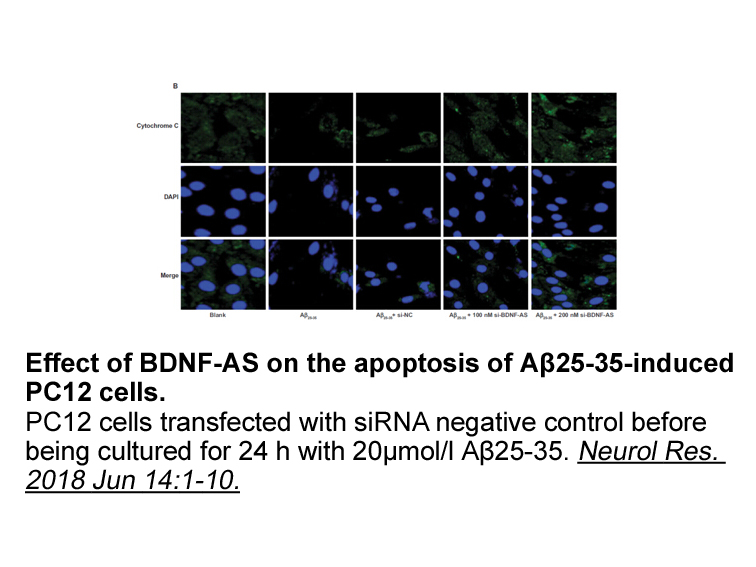
In the case of DIA-4CN the docking results do not show any interaction between the iron atom and the inhibitor, presumably due to the reduced ability to form a complex involving the -CONN- moiety versus the bidentate -CONHNH- central group of HYD-4Me. This results in a considerable gap between the i
-
In this study we showed that TRIM
2024-02-18

In this study, we showed that TRIM48 promotes ASK1 activation through ubiquitination-dependent degradation of a negative regulator of ASK1 activation, protein arginine methyltransferase 1 (PRMT1). Knocking down TRIM48 suppressed oxidative-stress-induced cell death mediated by ASK1, and the additiona
-
In conclusion the partial sequencing
2024-02-18
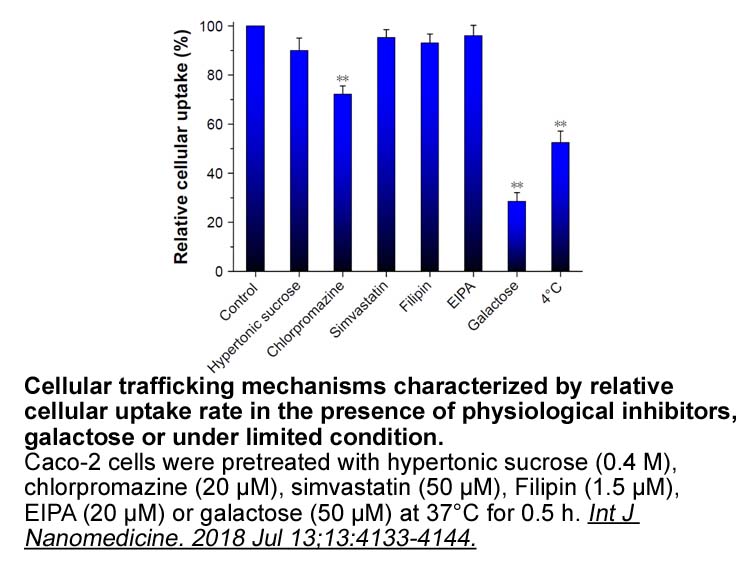
In conclusion, the partial sequencing and characterization of R. quelen cyp19a1b provides essential information about this gene and its presence in peripheral tissues outside of the central nervous system in a teleost. Furthermore, we covered sex differences in the effects of E2 on the cyp19a1b gene
-
Hydrogen sulfide H S a colorless and water soluble gas
2024-02-18
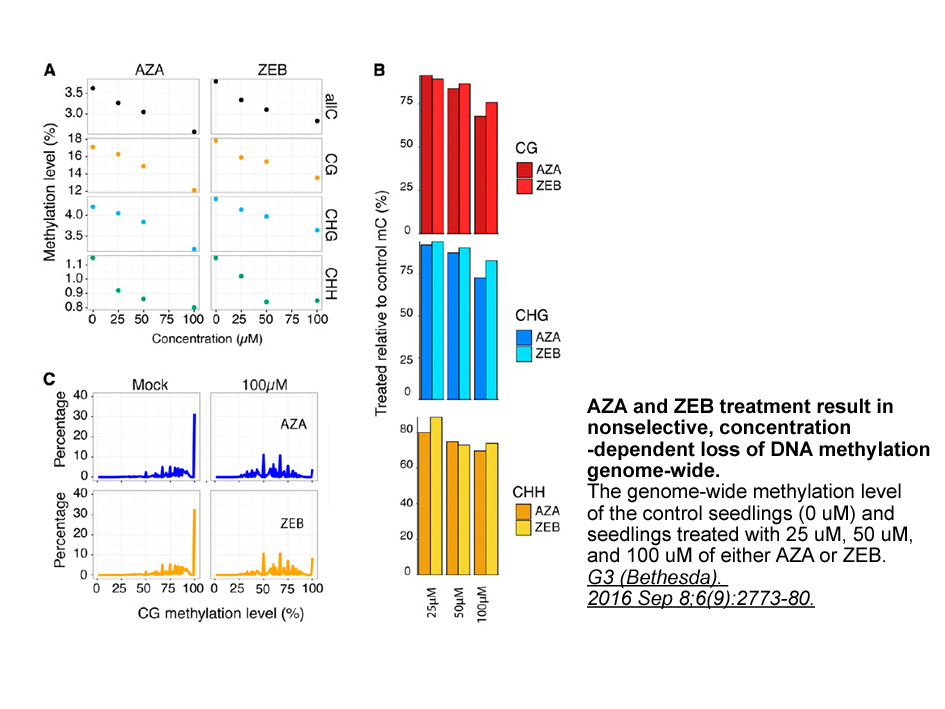
Hydrogen sulfide (H2S) [33], a colorless and water-soluble gas with the smell of rotten eggs, is now recognized as an important gasotransmitter, after the extensive study of nitric oxide (NO) and carbon monoxide (CO). H2S is produced endogenously via enzymatic reactions of cysteine, homocysteine and
-
Given that neither case is derived from multiplex families w
2024-02-18
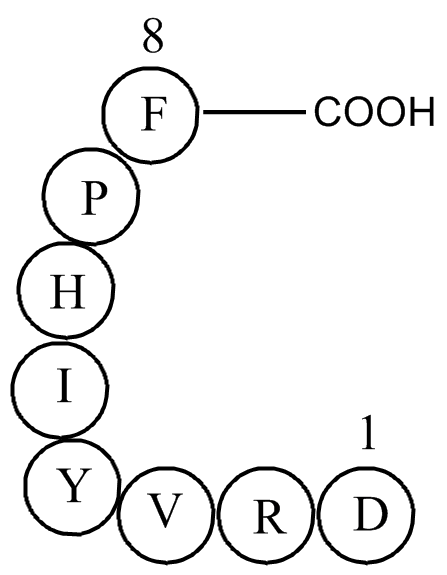
Given that neither case is derived from multiplex Cdk2/Cyclin Inhibitory Peptide I with affected individuals, principles of Mendelian segregation cannot be applied to implicate the T201S mutation in causing familial CJD. In addition, like many rare gene variants, it is not possible to apply practice
-
We made a number of choices in the
2024-02-18
We made a number of choices in the original design of our experiments. First, we used only portions of the 5′ and 3′ regulatory elements from S. cerevisiae. The sequences of these regions were known [32] and our goal was to express the Pf-DHFR at low levels. In fact, our choice of only 600 bp of the
-
Adenosine is a ubiquitous homeostatic purine nucleoside that
2024-02-14
Adenosine is a ubiquitous homeostatic purine nucleoside that accumulates extracellularly in response to metabolic stresses such as hypoxia and inflammation. Activation of either G protein-coupled adenosine receptors (ARs; A1R, A2AR, A2BR, and A3R) by extracellular adenosine can modulate cell signali
-
chk1 It is well known that the thymus plays an
2024-02-14
It is well known that the thymus plays an important function in the complex pathogenesis and perpetuation of MG. We compared resistin levels between patients with MG with or without thymoma and found that those with thymoma had higher levels than those without thymoma. It has been previously recogni
-
br AChE variants and their functions The
2024-02-14
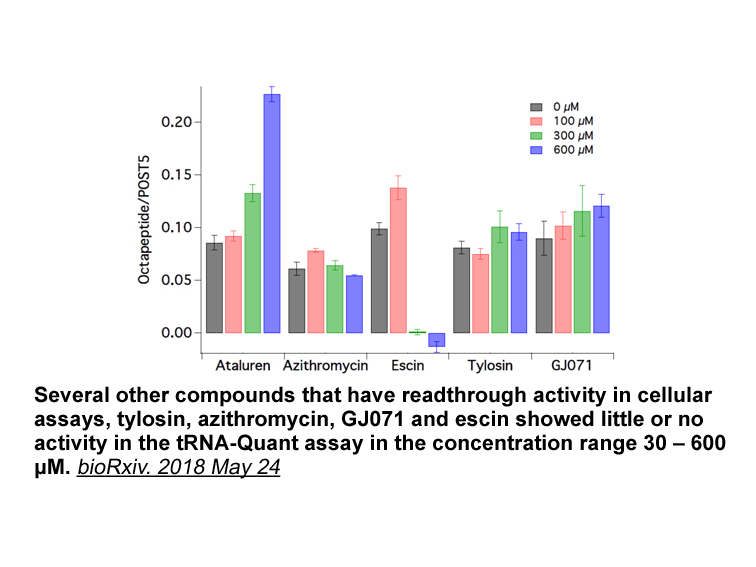
AChE variants and their functions The AChE gene generates several splice variants of AChE which are designated as hydrophobic (H), readthrough (R) and tailed (T) forms differing in membrane association and also localisation on a tissue and sub-cellular level. They all undergo significant posttran
-
br Materials and methods br Results br
2024-02-10
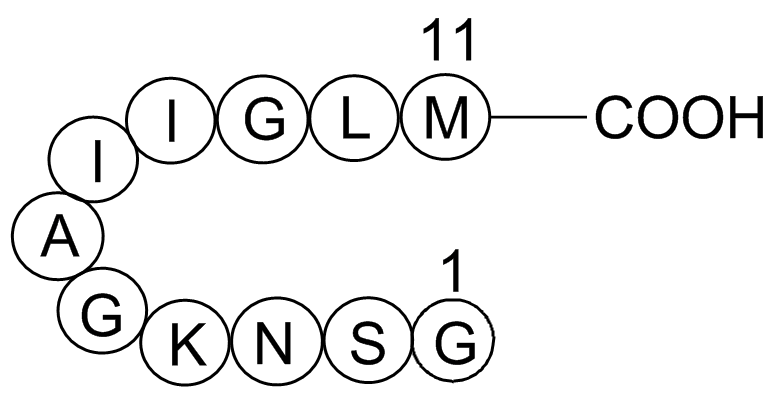
Materials and methods Results Discussion I/R injury is characterized by myocardial damage triggered by the ischemic insult followed by reperfusion injury. While the primary insult depends mainly on the severity and duration of blood flow restriction and the breakdown of ATP-dependent DIG-11
-
Since at least prospective cohort
2024-02-09
Since 2005, at least 14 prospective cohort studies have been conducted to clarify inconsistencies in the field, ten of which suggested a direct correlation between antibiotic use and atopy or wheezing later in life [51–60], three found no association [61–63], and one found positive association only
-
br STAR Methods br Acknowledgments We
2024-02-09
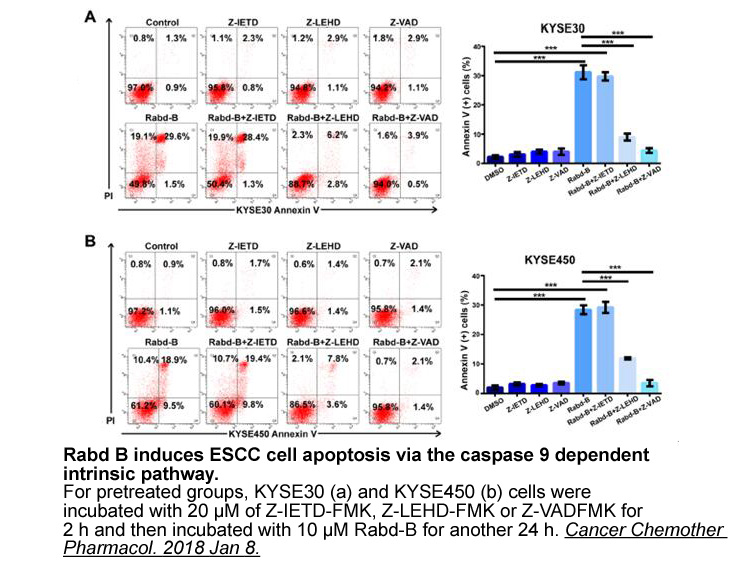
STAR★Methods Acknowledgments We thank Simcere Pharmaceuticals, Nanjing, China, for providing a rabbit anti-VEGF neutralizing monoclonal antibody. We thank Dr. Schlisio in the Ludwig Institute for Cancer Research, Karolinska Institute, for assistance with hypoxia assay. Y.C.’s laboratory is sup
-
br Introduction Heart failure HF is a chronically progressiv
2024-02-09
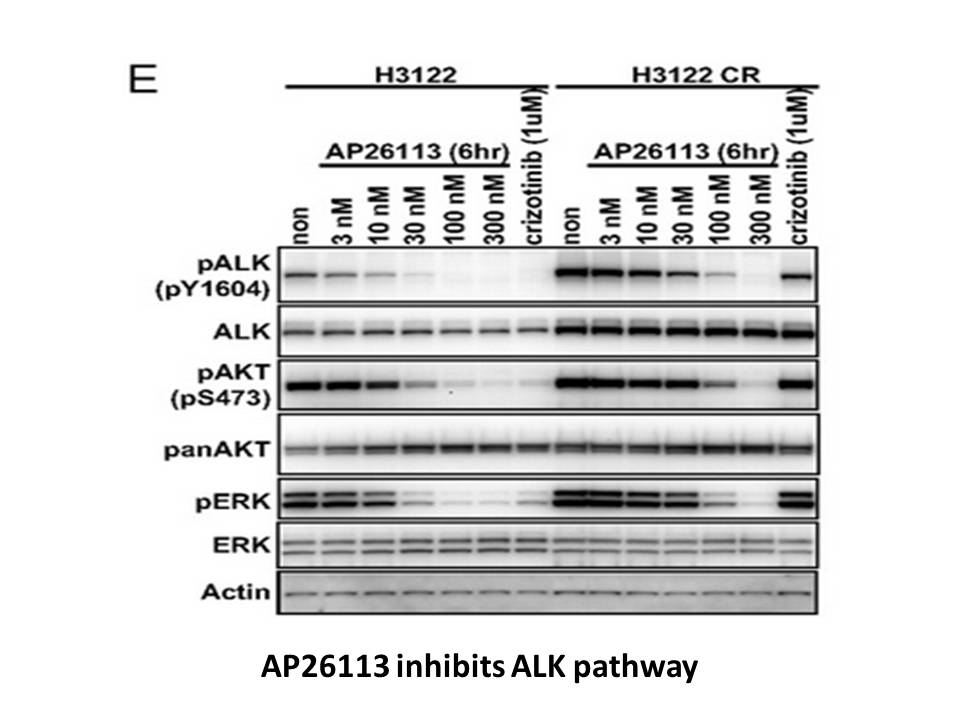
Introduction Heart failure (HF) is a chronically progressive disease and one of the most important causes of morbidity and mortality worldwide despite recent improvements in its treatment [1], [2], [3]. The mortality and morbidity benefits of angiotensin converting enzyme inhibitor (ACEI) are wel
-
Spectinomycin hydrochloride hydrate These findings suggest t
2024-02-09
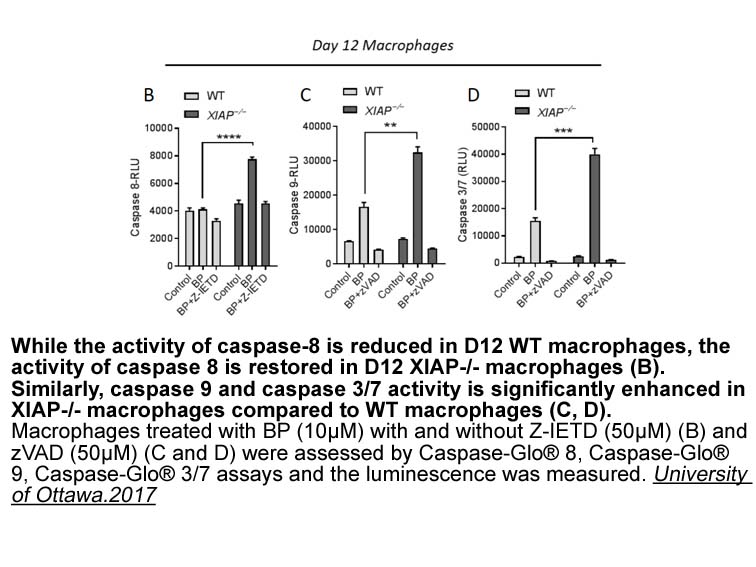
These findings suggest that eventually more than one 12/15-lipoxygenase isoform may play a role in human atherosclerosis. Humans have two 12-lipoxygenases and two 15-lipoxygenases which show different expression patterns, substrate specificities and stereo-selective metabolism [1]. However, in Spect
8417 records 227/562 page Previous Next First page 上5页 226227228229230 下5页 Last page